Inside the Rebuild Bay: What Certified Refurbishers See That Retail Shoppers Never Do

Photo: 18bit, CC BY-SA 4.0, via Wikimedia Commons
Walk into any big-box electronics store and you will see two prices for what looks like the same laptop: one with a glossy box, and one marked "refurbished" at thirty to forty percent less. Most American shoppers hesitate at the second price, unsure whether they are looking at a bargain or a booby trap. Technicians who actually rebuild these machines see the market very differently — and their perspective is worth more than any product page.
A Refurbished Machine Has Already Been Tested Harder Than a New One
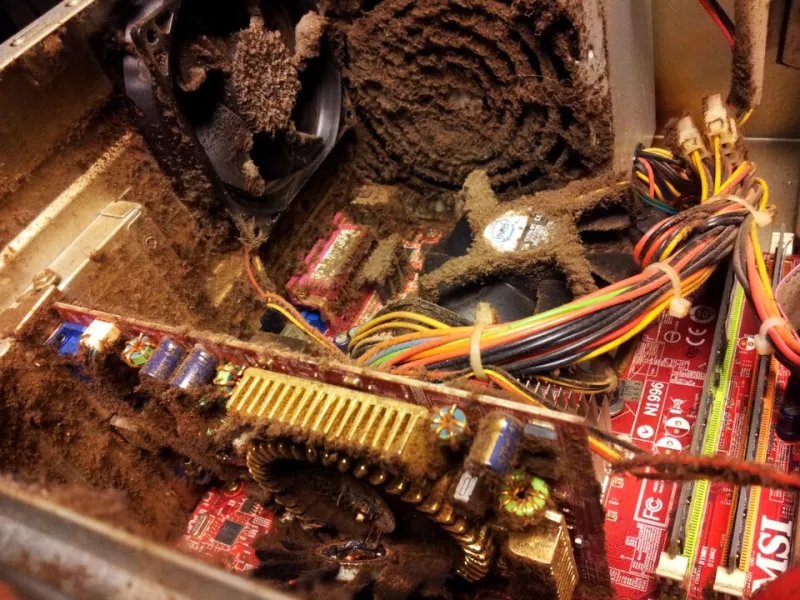
The counterintuitive truth from the workbench is that a properly refurbished computer often undergoes more scrutiny than a factory-fresh unit. New devices come off an assembly line and get sampled for quality control. Certified refurbishers, by contrast, inspect every incoming machine individually: battery health readings, drive SMART data, hinge tension, port continuity, thermal paste condition, and screen uniformity.
When a refurbisher replaces a part, that component is new. A three-year-old laptop with a fresh battery, a new solid-state drive, and rebuilt cooling can genuinely outlast a brand-new budget model sitting next to it on the shelf. The catch — and it is a significant one — is that "refurbished" is not a regulated term. It covers everything from manufacturer-certified overhauls to a guy with a screwdriver and a can of compressed air.
What Is Worth Buying Refurbished
Technicians consistently point to a few categories where refurbished purchasing carries little risk and substantial savings:
- Business-class laptops. Corporate off-lease machines from lines like the Lenovo ThinkPad, Dell Latitude, and HP EliteBook are built to tougher standards than consumer models, and lease returns flood the market in predictable cycles. These are the workhorses refurbishers love because parts are plentiful and documentation is thorough.
- Desktops and workstations. Standardized components make diagnosis straightforward, and failures are usually cheap to fix.
- Monitors and peripherals. Panel technology does not degrade meaningfully with use; a refurbished office monitor is often indistinguishable from new at half the price.
What Deserves Caution
- Ultra-thin consumer laptops. When everything is soldered, a single motherboard failure can total the machine, and refurbishers cannot meaningfully certify what they cannot repair.
- Old batteries passed along untouched. Lithium cells degrade whether the laptop is used or not. Ask whether the battery was replaced or merely tested.
- Anything from a seller who will not describe the grading scale. Reputable refurbishers use standardized grades (A through D) and publish what each grade means.
Certified Refurbisher vs. eBay Flipper: The Practical Differences
The distinction is not snobbery; it is process. A certified refurbisher — whether the manufacturer itself, a Microsoft Authorized Refurbisher, or an established third party — typically wipes drives to NIST standards, installs licensed operating systems, documents repairs, and backs the machine with a warranty of 90 days or more. An eBay flipper may run a single boot test and list whatever powers on.
Three questions separate the two in under five minutes:
- What is the warranty, and who honors it? Ninety days minimum, from an entity with a physical address.
- Was the battery replaced or just tested? "Tested" on a five-year-old battery is a countdown timer.
- Is the Windows license genuine and digitally licensed to the motherboard? Authorized refurbishers provision legitimate licenses tied to the hardware.
The Bottom Line for American Buyers
For a household budget, the arithmetic is straightforward: a certified refurbished business laptop at $350 that reliably lasts four years beats a $700 consumer machine that throttles, glues itself shut, and dies at year three. The savings are real — but only when the refurbishing is real too. Buy from people who rebuild for a living, ask the questions above, and the discount stops being a gamble and starts being what it should be: honest value for a machine given a second, well-inspected life.