From Clutter to Cash: How to Extract Real Value From Your Outdated Computer Hardware
There is a familiar ritual in many American households and small businesses: a computer slows down, gets replaced, and the old unit gets shoved into a closet or hauled to a municipal electronics recycling event. It feels responsible. It feels final. But for a significant share of that hardware, it is also financially wasteful.
Used computer components occupy a robust secondary market in the United States — one driven by hobbyists, budget-conscious builders, repair shops, and small businesses that cannot justify the cost of new equipment. If you have aging hardware sitting unused, you may be holding assets rather than liabilities. The question is knowing which parts carry value, how to evaluate their condition honestly, and where to connect with buyers who will pay fairly for them.
At MEC Computer, we work with hardware at every stage of its lifecycle. What follows is a practical framework for turning outdated components into recovered capital — without cutting corners on ethics or accuracy.
Why the "Just Recycle It" Instinct Costs You Money
Electronic waste recycling serves an important environmental function, and we are not arguing against it. But recycling is the correct endpoint for hardware that is genuinely beyond use — not for components that still function and still have market demand.
The hidden cost of defaulting to recycling is opportunity cost. A working GPU from three or four generations ago may no longer power modern AAA gaming at high settings, but it is entirely capable of driving a home media center, supporting a secondary workstation, or handling light rendering tasks. There are buyers for exactly that use case, and they are actively searching platforms like eBay, Craigslist, and Facebook Marketplace every day.
Additionally, many municipal recycling programs and drop-off events do not actually guarantee responsible disposal. Some collected e-waste is exported to developing countries where informal processing — often involving open burning of components to recover metals — creates serious environmental and human health hazards. Extending the functional life of hardware through resale is, in many cases, the more environmentally sound choice.
Which Components Retain the Most Resale Value
Not every part of an old system commands meaningful resale pricing, but several categories consistently attract buyer interest:
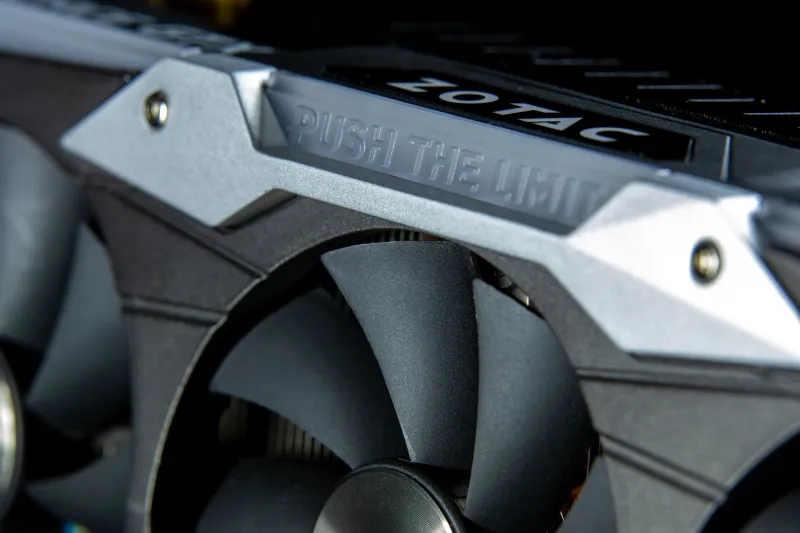
Graphics Cards (GPUs): Even older discrete GPUs retain value, particularly for cryptocurrency enthusiasts, retro gaming communities, and users running Linux-based systems that benefit from mature driver support on legacy cards. Cards with functional VRAM and no visible damage to the PCB or cooling assembly are especially attractive.
RAM Modules: System memory is largely interchangeable across machines of similar generations. DDR4 modules, in particular, remain in broad demand. Matched pairs or kits in larger capacities (16GB and above) tend to sell quickly.
Solid-State Drives: SSDs with substantial remaining lifespan — which can be estimated using tools like CrystalDiskInfo — are consistently sought after. Even drives with moderate wear levels often sell well when the seller is transparent about the health data.
CPUs: Processors from Intel's 8th through 12th generations and AMD's Ryzen 3000 and 5000 series remain popular upgrade targets. Older enthusiast-grade chips, including certain Xeon processors, have dedicated secondary markets among budget workstation builders.
Power Supply Units: Quality PSUs from reputable manufacturers — Seasonic, Corsair, EVGA — hold value well, provided they are within their rated operational lifespan and show no signs of capacitor failure or physical damage.
Motherboards: These are more situational, but boards supporting popular socket types with working VRM components and intact PCIe slots can attract interest, particularly from repair shops sourcing parts for client machines.
Assessing Condition Honestly — and Why It Matters
The secondary hardware market functions on trust, and misrepresenting a component's condition is a fast path to negative feedback, disputes, and returns. Before listing anything, invest time in a thorough assessment.
For storage devices, run a full SMART diagnostic and include the results in your listing. For GPUs, stress-test the card using a tool like FurMark and note any artifacting, thermal anomalies, or driver instability. For RAM, run a pass through MemTest86. Document your findings in writing and photograph the physical condition of the component clearly — all angles, including any scratches, bent pins, or missing mounting hardware.
Transparency about condition does not reduce sale price as dramatically as sellers often fear. Buyers in the used hardware market are experienced. They appreciate honest disclosures and will frequently pay more for a seller who demonstrates they know what they are selling.
Where to Sell Used Computer Components in the US
The right platform depends on the component, the price point, and how quickly you want to move inventory.
eBay remains the dominant marketplace for individual components, offering broad reach and buyer protection structures that give purchasers confidence. Shipping fragile hardware requires appropriate anti-static packaging and carrier insurance, but the national audience justifies the effort.
Facebook Marketplace and Craigslist are well-suited for local transactions, eliminating shipping risk entirely. These platforms work particularly well for heavier items like full systems, monitors, and UPS units.
Reddit communities such as r/hardwareswap offer a technically literate buyer base that understands hardware nuance and is often willing to pay fair prices for clearly documented components.
Local computer repair shops, including independent IT service providers, are frequently in the market for working used parts to support client repairs. Establishing a relationship with a shop in your area can create a reliable, recurring outlet for future hardware.
Understanding the Economics at Scale
For individual consumers clearing out a single old machine, the returns may be modest — perhaps $150 to $400 depending on the components involved. But for small businesses retiring a fleet of workstations, the economics shift considerably.
A company replacing twenty desktop systems might recover $3,000 or more by selling functional GPUs, RAM, and SSDs rather than surrendering the machines to a recycler at no return. That figure can meaningfully offset the cost of new equipment purchases — a consideration that deserves attention in any IT refresh budget conversation.
If the volume of retired hardware is substantial, engaging a certified IT asset disposition (ITAD) vendor is worth evaluating. Reputable ITAD providers audit components, handle data destruction with documentation, and manage resale logistics — often returning a percentage of recovered value to the client organization.
A Note on Data Security Before You Sell Anything
No discussion of hardware resale is complete without addressing data sanitization. Before any storage device leaves your possession — SSD, HDD, or NVMe — it must be securely wiped. A standard Windows format is insufficient. Use software conforming to recognized standards such as NIST 800-88 or perform physical destruction for drives that contained sensitive data.
For RAM, CPUs, GPUs, and other non-storage components, data security is not a concern. But storage is non-negotiable. Selling a drive with recoverable data on it is a liability, not just an oversight.
The Bottom Line
Retiring computer hardware does not have to mean surrendering its remaining value. With a methodical approach to component assessment, honest documentation, and access to the right resale channels, used parts can generate real returns — while simultaneously keeping functional equipment out of the waste stream longer.
If you are uncertain about the condition of your components or need guidance on data sanitization before resale, the team at MEC Computer is available to assist. We provide hardware diagnostics, secure data destruction, and practical advice on navigating the secondary market — because getting the most from your technology investment should not stop the moment a newer model arrives.